






10 American and European Christmas vacation ideas from the movies
Seasonal Travel
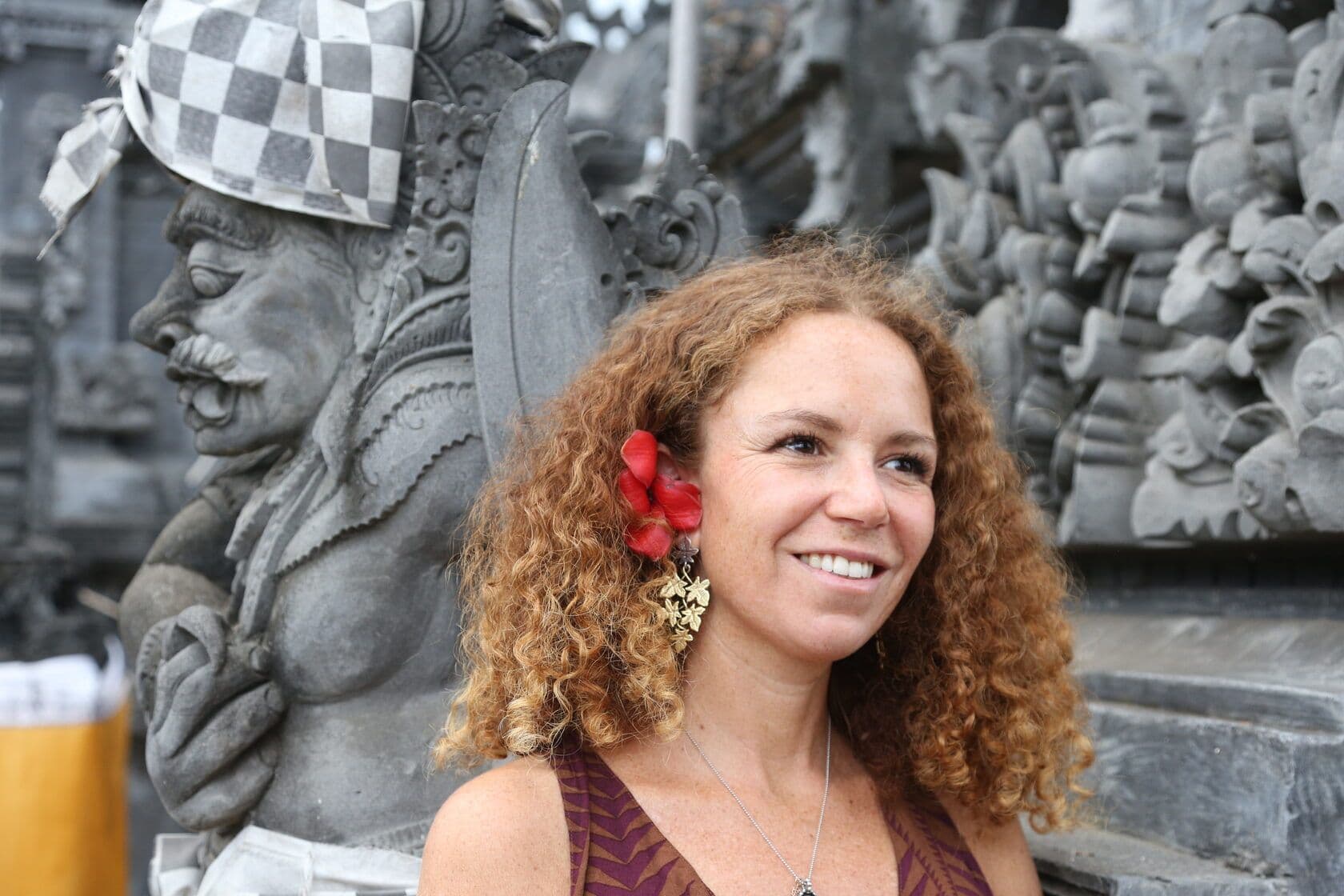
She’s crossed continents and turned introspection into an itinerary. We sat down with Francesca Di Pietro, the traveler and mind behind Viaggiare da Soli, to talk about life on the road, the psychology of travel, and how getting lost can sometimes lead you right back to yourself.
Francesca has been writing about travel since 2011. At 31, she made a life-changing decision: she quit her job, packed her bags, and began exploring the world on her own terms. “Back then, the internet wasn’t what it is today,” she recalls with a laugh. “I had another blog at first, but it didn’t work out — SEO and all that. So I decided to study, to learn everything I could, and do it properly.”
That dedication paid off. Her second blog, Viaggiare da Soli (“Traveling Alone”), quickly gained traction in Italy, becoming a pioneering voice in the world of solo travel. What set Francesca apart was her background in psychology. Rather than just listing destinations, she explored how travel can reshape one’s sense of self — how it can heal, empower, and transform.
“There isn’t really a formal academic path for what I do,” she explains. “It’s something you develop later, through research, writing, and experience. I wanted to show people that solo travel isn’t just an escape. It’s a form of personal growth.”
After a year or so of building her platform, Francesca began to merge her two worlds: digital travel and psychology. “Basically, what I do is like two sides of the same coin,” she says. “On one hand, I’m a travel blogger. I write tips, guides, and itineraries, and that’s the part that supports itself through affiliations and partnerships. On the other side, I help people explore the deeper meaning of travel. I offer consultations, run webinars, wrote a book, and host a podcast. It’s like having two jobs at once - different, but connected by the same purpose.”
She smiles. “And that’s been my life for the last fifteen years.”
When I quit my job, I went traveling for three months in South America, and I loved it. I remember thinking, I don’t ever want to go back to an office. I knew I had to invent something that would let me travel often and combine my two passions — traveling and psychology. I didn’t know how exactly, because the internet was so different back then, but I knew that was my path.
My first solo adventure took me across Chile, Peru, Bolivia, and Argentina — a journey that shaped both my mindset and my future career.
Eighty. Maybe more. I’ve lost count.
I’m always surprised. I try to stay curious. There are places I love deeply, but I don’t travel to be surprised — I travel to connect. I like destinations that are adventurous, slow, and rich in local culture.
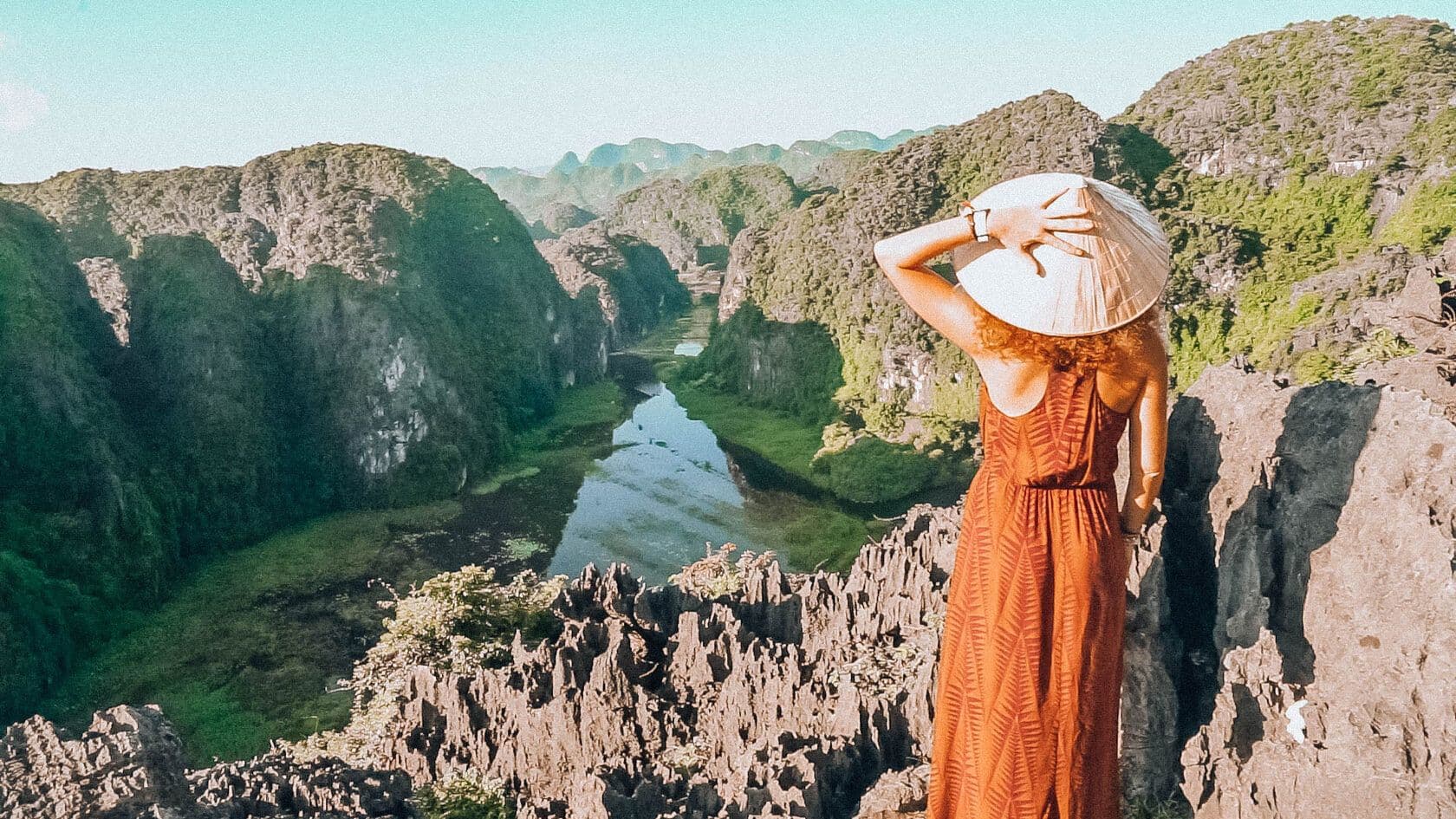
Adventurous, mindful, local.
I watch Google Maps. I used to rely on printed maps, but now I study Google Maps carefully before each trip. You can spot colors for points of interest, viewpoints, and even see photos. If you explore with attention, you’ll always find something interesting.
Oh, many: Mexico, Argentina, South Africa, and Bali. I’ve been back to each of them several times — they feel like home in different ways.
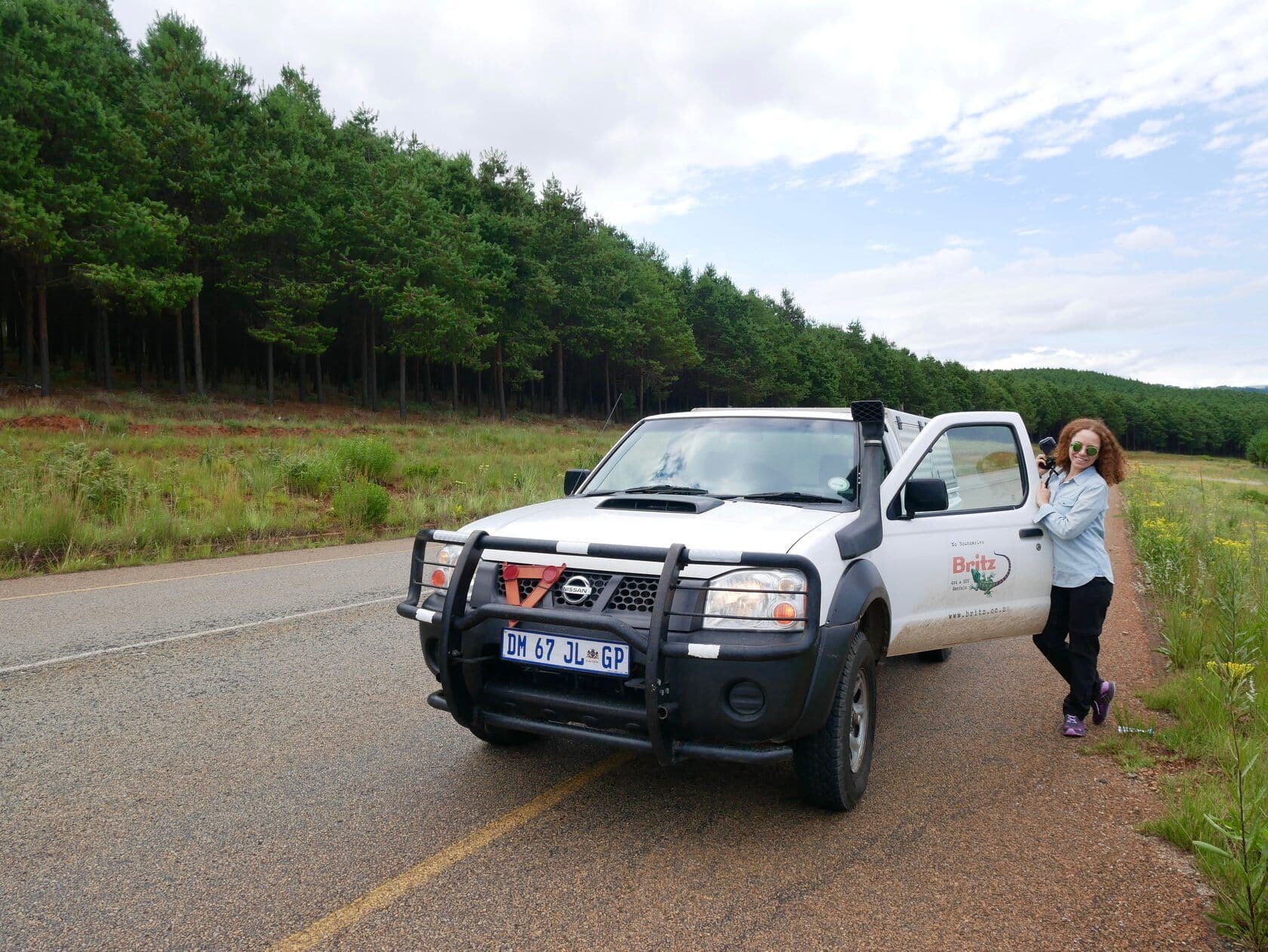
Yes, very much. I’ve rented cars in so many countries — sometimes for months. It gives you a different kind of freedom. You can stop whenever you want, change plans, or explore places that buses or trains never reach. You organize your own rhythm. That’s the beauty of it.
When I was younger and had less money, I didn’t always rent a car. In South America, especially in Bolivia or Peru, the roads can be rough, so it’s often better to have a local driver. But in places like South Africa, absolutely — I’ll rent a car every time.
I’ve rented cars in so many countries — sometimes for months. It gives you a different kind of freedom. You can stop whenever you want, change plans, explore places that buses or trains never reach. You organize your own rhythm. That’s the beauty of it.
Don’t try to do too many hours in one day. It’s better to see fewer places and spend more time in each one. I don’t care about the model of the car — it’s not about that. The thing worth paying extra for is flexibility. For example, being able to rent the car in one city and drop it off in another can make a huge difference.
The thing worth paying extra for is flexibility. For example, being able to rent the car in one city and drop it off in another can make a huge difference.
Once in Mexico, we rented a regular car, not a 4x4, and didn’t realize the road was completely unpaved. The car broke down in the middle of nowhere! We had to leave it there, catch a bus, and wait for insurance. It was stressful — but now it’s a funny story. So yes, if you think the road might be bad, rent a 4x4.
...if you think the road might be bad, rent a 4x4.
Yes, book your car early, but check again a week before you leave. Prices often drop, and you might find a cheaper option. And always check how much money the company blocks on your credit card. People forget that — then they arrive and realize they don’t have enough available balance. It’s a common mistake and can really ruin your start.
Usually, I read guides and blogs to decide what I want to see. Then I put everything into Google Maps and check the best route. I always look at travel times — if something is only 20 kilometers away but takes two hours, that means the road is bad. So I plan around that.
Oman and Namibia. Beautiful landscapes, quiet roads, and that sense of endless space.
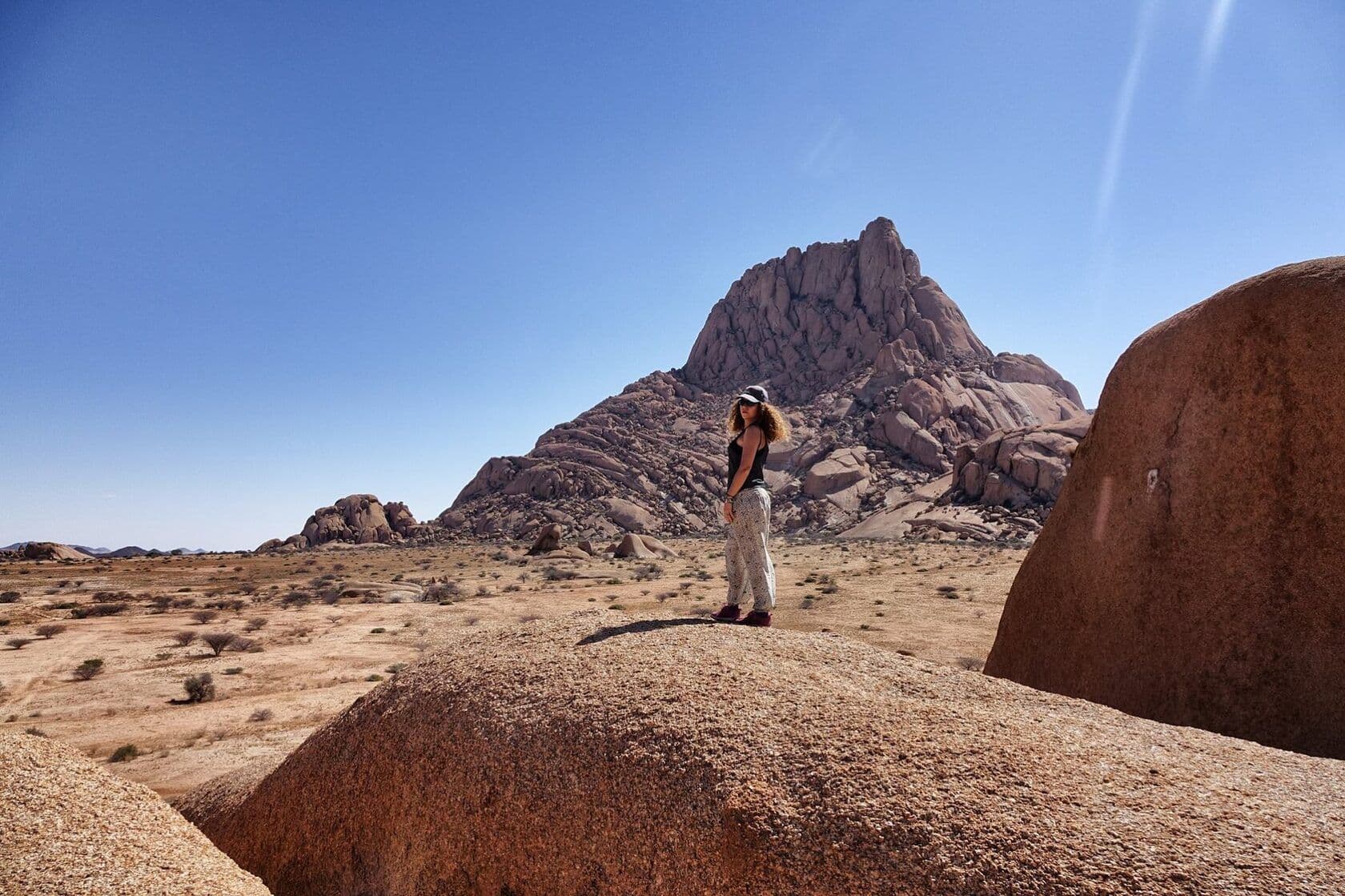
Credit card, insurance, and a backup card. Check if you need an international driver’s license. Bring water and snacks — especially if you’re driving in Africa or remote areas. And never drive after dark in countries where visibility is poor or roads aren’t lit. I always ask locals or other travelers before heading out.
If I’ve rented a car somewhere, I’ll mention it and share what people should know —where to rent, what to avoid, all those details. Readers appreciate that.
Water. Always water.
No — it really depends on where you’re going. Each destination has its own rhythm.
| 🧳 Packing light | 7/10 |
| 🍽️ Trying local food | 10/10 |
| 📵 Digital detox | 6/10 |
| 🌦️ Weather | 9/10 |
| 🗣️ Language skills* | 8/10 |
*She speaks Italian, English, Spanish, French, and a bit of Portuguese.
| 🛑 On the road I never skip | Stop sign |
| 🧳 A perfect travel companion is someone who | Doesn’t get car sickness |
| 🌴 I know I’m on vacation when | I don’t post on Instagram |
| ✨ I secretly love when | A wild animal crosses the road |
| 🚘 I can’t start driving without | Water |
| 🗺️ The best road advice I ever got | Carry less cash |
| 👃 A smell that reminds me of travel | Bush |
| 🔋 The one thing I always forget | My phone charger in the hotel |
| 🎵 Go-to travel song | Si Viaggiare – Lucio Battisti |
| 🎒 Travel essentials | Earplugs, sleeping mask, a locker |
| 🍖 Favorite travel snack | Biltong |
| 🌊 Mountains or coast? | Coastal drive |
| 🚗 Flight or car rental? | Car rental |
| 🌾 City or countryside? | Countryside |
| ☕ Coffee or photo stop? | Coffee |
| 🌬️ Plan everything or go with the flow? | Go with the flow |
| 🛍️ Local markets or luxury malls? | Local markets |
| 🛣️ Fast lane or scenic detour? | Scenic detour (when there’s time) |
| 🌍 Most underrated destination | Montenegro |
| 🛤️ Dream drive | Ireland’s Atlantic Coast |
| ✈️ Dream long-haul trip | Australia |
| 🔜 Next trip | Brazil (Jan–Feb) |
Francesca’s passion for travel runs deeper than wanderlust. For her, it’s a conversation between the world and the self. “Travel changes the way you see yourself,” she says softly. “It teaches you to adapt, to be patient, to be free. That’s why I still do it - and why I’ll probably never stop.”
1. Book early — but double-check before you go.
Reserve your car ahead of time to get the best choice, but look again a week before departure. Prices often drop, and you might find a better deal for the same model.
2. Verify the credit card hold amount.
Before picking up your car, check how much the company will freeze on your card. Many travelers forget this and discover too late that they don’t have enough balance left for the trip.
3. Choose the right car for the road.
If there’s any chance of rough or unpaved terrain, rent a 4×4 instead of a standard vehicle.
4. Pay extra for flexibility.
The option to return your car in a different city allows more freedom when planning longer routes.
5. Limit daily driving hours.
Avoid long hauls and focus on fewer destinations. The experience is more comfortable and less stressful.
6. Study Google Maps before setting out.
Check distances, road conditions, and terrain type to prevent time loss or unexpected detours.
7. Always keep water and snacks in the car.
Stay prepared for remote areas, unexpected delays, or long stretches without services.
8. Check local driving regulations.
Confirm whether an international driving permit is required and learn local traffic norms, especially regarding night driving.
9. Plan routes based on time, not distance.
A short distance can take hours on difficult terrain; factor that into your schedule.
Francesca Di Pietro is a travel psychologist, author, and founder of Viaggiare da Soli, Italy’s leading blog on solo travel and personal growth. Through her writing, podcast, and consulting work, she helps travelers discover how exploring the world can become a journey inward — one that fosters confidence, curiosity, and emotional resilience.
Here are some great starting points for making your own road-trip route.